

Sustainable Art Decor for Modern Apartments (2026 Guide)
Table of Contents
- Quick Comparison: Sustainable Canvas Art by Style and Price
- What Makes Sustainable Art Decor for Modern Apartments Actually Sustainable
- Eco-Friendly Wall Art for Small Apartments: Sizes, Layouts, and Pricing
- Best Practices for Eco-Conscious Interior Design in a Rental
- How to Style Nature-Inspired Art in a Minimalist Apartment
- Lifecycle and Longevity: How to Keep Sustainable Art Decor Out of Landfill
- Budget-Friendly DIY Upcycling: Frames, Shelves, and Display Swaps
- Conclusion: Build a Curated Space That Lasts
- Frequently Asked Questions
Last Updated: September 20, 2026
Quick Comparison: Sustainable Canvas Art by Style and Price
Sustainable art decor for modern apartments starts with one honest question: does the piece you're hanging actually reduce harm, or just look like it does? This guide from Art By Earth shows you what to buy, how to style it, and how to keep it out of a landfill.
Every canvas below shares the same core specs: a cotton and polyester composite canvas stretched over an inner frame of radiata pine sourced from renewable forests, soft rubber dots on the back corners, and hanging hardware included. Each piece sells for $83.46 in up to 60 sizes, so you can scale the same artwork from a hallway nook to a full statement wall.
| Artwork | Visual Style | Best Room | Orientation Options |
|---|---|---|---|
| Terracotta Echoes | Botanical bark close-up, warm brown | Living room | Horizontal, vertical, square |
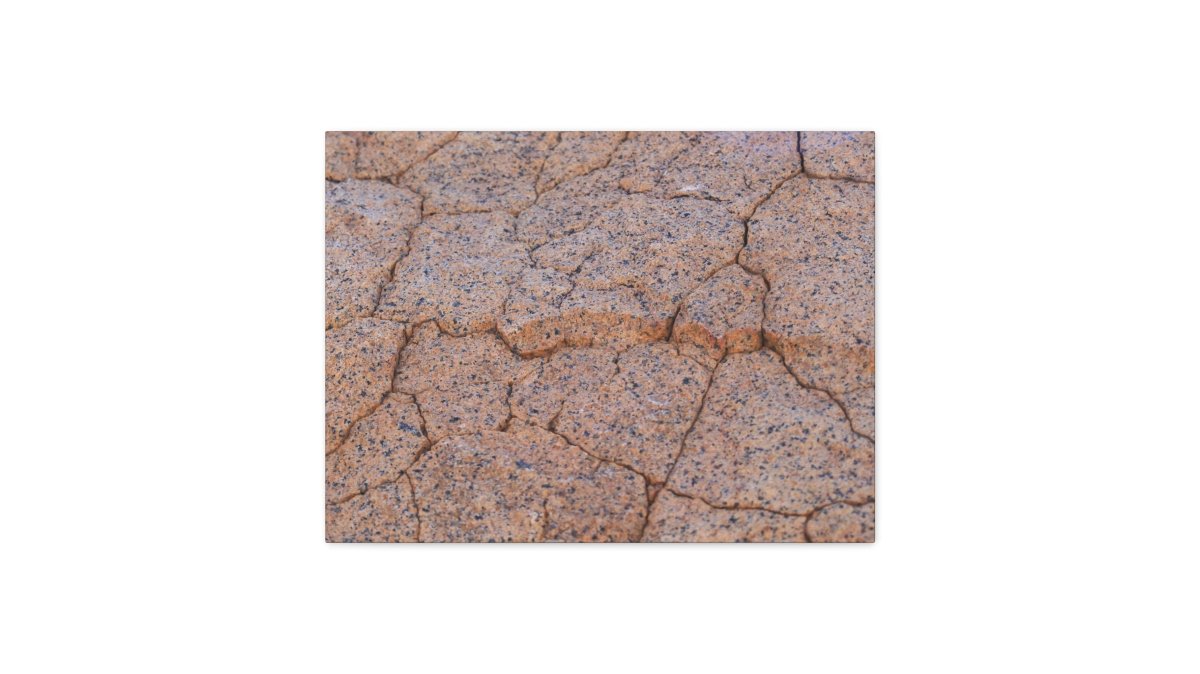
| Cracked Earth's Whispers | Cracked earth tones, aged texture | Bedroom | Horizontal, square |
| Lithic Veins of Ember | Weathered rock, mineral detail | Home office | Horizontal, square |
| Terracotta Tears | Rugged stone surface, earth tones | Entryway | Horizontal, square |
| Layered Echoes | Sedimentary strata, layered pattern | Dining area | Horizontal, square |
| Stone Fragments | Canyon erosion, stone layers | Hallway | Horizontal, square |
| Rocks of Solitude | Desert boulder, daylight | Reading nook | Horizontal, square |
| Geological Mosaic | Tree-ring cross-section, organic grain | Kitchen | Horizontal, square |
| Timber Tapestry | Forest bark, weathered woodgrain | Bedroom | Horizontal, square |
| Rugged Canvas | Cracked bark texture, woodland | Studio | Horizontal, square |
What Makes Sustainable Art Decor for Modern Apartments Actually Sustainable
Sustainable art decor is wall art produced with responsibly sourced materials, low-waste manufacturing, and a lifespan long enough that the piece never becomes disposable. The three levers that matter most are material sourcing, packaging, and longevity.


Start with the frame. Radiata pine from renewable forests regrows quickly and is replanted after harvest, keeping the material cycle going instead of depleting old-growth timber. A cotton and polyester composite canvas pairs natural plant fiber with a durable synthetic that resists cracking and fading.
Then look at what surrounds the art. Local printing that shortens shipping distance can lower a piece's carbon footprint.
Materials, Frames, and Packaging: What to Check
Ask three questions before you buy. Is the frame wood certified as responsibly sourced?
A frameless canvas sidesteps one common waste source: the decorative outer frame. Skipping that layer means less material, lighter shipping, and fewer components to discard when styles change. The inner pine frame does the structural work, and the rubber dots protect your wall without extra hardware.
Certifications and Proof to Look For
Certifications separate real sustainable materials from marketing language. Look for chain-of-custody forest certification on wood.
The U.S. Federal Trade Commission's Green Guides set the legal bar for environmental marketing claims, which means any brand stating "sustainable" or "eco-friendly" should be able to substantiate it. When a listing is silent on sourcing, treat that silence as a signal. Transparency is the cheapest thing a genuinely sustainable brand can offer, so a brand that hides its supply chain usually has a reason.
Eco-Friendly Wall Art for Small Apartments: Sizes, Layouts, and Pricing
Eco-friendly wall art for small apartments works best when you buy fewer, larger pieces instead of a dozen small prints. One substantial canvas anchors a room and eliminates clutter that makes compact spaces feel cramped.
Scale is the deciding factor. A canvas spanning roughly two-thirds of the width of your sofa or bed reads as intentional; anything smaller floats and looks accidental. Each Art By Earth canvas comes in 60 size options across horizontal, vertical, and square formats, so you can match the exact wall rather than settling for the closest standard size.
- Above a sofa: one horizontal canvas sized to about two-thirds of the sofa width
- Beside a bed: a vertical or square piece on the narrower wall
- In a hallway: a single square canvas centered at eye level
- Over a desk: a small horizontal print to keep the home office calm
- On a gallery wall: three square canvases in matching frames, spaced evenly
Pricing stays simple: every canvas is $83.46 regardless of artwork or size, making it easy to plan a multi-piece layout without guessing.
Terracotta Echoes - Unique Frameless →
Best Practices for Eco-Conscious Interior Design in a Rental
Eco-conscious interior design in a rental comes down to reversible choices: pieces that install without damaging walls, travel with you when the lease ends, and never get tossed because they only fit one apartment.
Start with hanging hardware, where most deposits get lost.
How to Style Nature-Inspired Art in a Minimalist Apartment
Lifecycle and Longevity: How to Keep Sustainable Art Decor Out of Landfill
Most decor ends up in a landfill because it was cheap, trend-driven, or easily damaged. Sustainable art decor avoids all three traps, but only if you maintain it.
Budget-Friendly DIY Upcycling: Frames, Shelves, and Display Swaps
You don't need to buy new to refresh a wall or throw anything out to change your space. Upcycling what you already own is the cheapest, lowest-waste way to redecorate, and the piece of the sustainability conversation most decor guides skip.
What to Do With Decor You No Longer Want
This is where sustainability actually gets tested. Before you buy anything, know where it goes when you're done with it.
Conclusion: Build a Curated Space That Lasts
Building a space that reflects your values takes more than a pretty print. It means choosing responsibly sourced materials, buying for longevity, and restyling instead of replacing. Art By Earth makes that easier with impressionistic nature photography printed on canvas over radiata pine from renewable forests, available in 60 sizes at $83.46, with every purchase supporting environmental charities.
Frequently Asked Questions
How do I choose sustainable art for my home?
Start with the frame and the canvas, not just the image. Look for frames made from responsibly sourced wood, such as radiata pine from renewable forests, and canvas made from cotton and polyester composite rather than plastic-heavy alternatives. Ask whether the seller donates to environmental charities and whether the piece ships flat or rolled to cut packaging. Size matters too: a piece you keep for years beats three cheap ones you replace. Art By Earth's frameless canvas prints start at $83.46 and come in 60 sizes, so you can match your wall without overbuying.
Why is sustainable wall art better for modern apartments?
Modern apartments are usually smaller, so every piece has to earn its wall space. Sustainable wall art tends to be lighter, easier to hang, and built to last, which suits renters who move every few years. A frameless canvas with back hanging included and soft rubber dots on the bottom corners goes up without a bulky frame and travels well. Choosing a piece tied to environmental donations also means your decor reflects your values, which matters to the eco-conscious renters and remote workers who make up a large share of apartment dwellers.
What should I check before buying eco-friendly wall art for small apartments?
Measure the wall first, then check four things: frame material, canvas composition, hanging hardware, and orientation options. A horizontal print suits a sofa wall; a vertical or square piece works above a desk or beside a window. Confirm the print includes back hanging and that the frame wood is sourced from renewable forests. Also check the size tolerance: canvas production can vary by about 1/8 inch (3.2 mm), so leave a little breathing room when planning a gallery wall.
How can I apply best practices for eco-conscious interior design without spending much?
Buy fewer, better pieces and rotate them instead of replacing them. Choose earthy tones that stay in style across seasons. These habits cut textile waste and carbon footprint without changing how your space looks.
How do I style nature-inspired art so it doesn't clash with a minimalist apartment?
Pick one focal piece and let the rest of the wall stay quiet. Choose prints with earthy tones, organic textures, or geological patterns that read as abstract rather than busy. Hang at eye level, roughly 57 to 60 inches from the floor to the center of the art, and leave at least 2 inches between frames in a gallery wall. Pair the canvas with natural fibers like linen or jute and one living plant to echo the biophilic design theme without adding clutter.